

How to Properly Operate a Woodburning Stove
Wood stoves are a cozy and inexpensive way to heat your home. However, the smoke they produce can also be harmful to health. It's important to understand how these appliances work and how they operate.
Many modern stoves rely upon secondary or catalytic combustion to control their emissions. However, older open fires and stoves create large amounts of particulates.
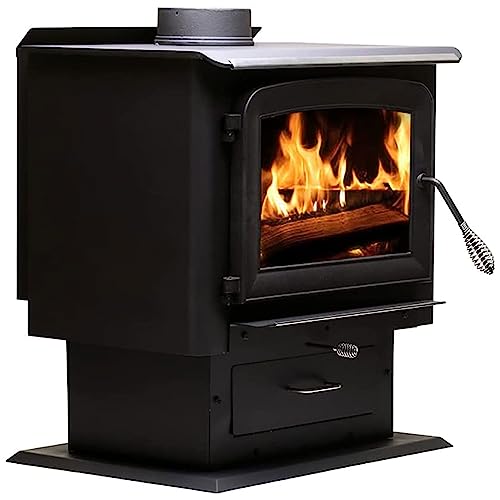
garage wood stove is the heart of any fireplace system. It's where you create a fire to heat your home and provide ambiance. It's a simple concept, but there are many important details that must be accounted for to keep your wood burning stove safe and efficient.
The most simple way to think of the firebox is to think of it as a box-like combustion chamber with walls and doors. Most fireplaces have a prefabricated metal or brick fireboxes. The type of firebox you choose will depend on your personal preferences and the kind of fireplace you have.
Most wood-burning stoves use an air flow that is constant to produce the fire and burn the fuel. Fresh air is drawn into the stove through adjustable dampers located within the doors of the stove. This allows the fuel to burn efficiently and helps reduce the toxic gases generated by unburnt or incomplete combustion. The exhaust gases are then drawn up through the chimney and safely out of your home.
Modern stoves that have catalytic second combustion use a special catalyst that reburns unburned gases to create additional warmth. This produces a cleaner and less polluting smoke than traditional wood stoves without secondary combustion. Modern non-catalytic stoves are also available, but they're usually less efficient than stoves that have secondary combustion that is catalytic.
Some wood-burning stoves have a backboiler that can be used to heat water in addition to space heating. They are known as "combination" or "hybrid" stoves and have been in use since the early 20th century.
Wood burning stoves should be lit with seasoned wood. Freshly cut (green) wood has a high content of moisture that can lead to low flue temperatures and a lot of creosote buildup in the chimney. This can lead to chimney fires that can damage your stove and even be hazardous to the health of your family members.
If you're looking for a professional who can inspect your wood-burning stove or do firebox repairs, ensure that the chimney professional you hire is certified by the CSIA certification and has customer testimonials on their site. It's also important to inquire about their pricing and what is the type of work they can do.
The ventilation pipe
Ventilation is required for wood stoves in order to remove smoke and keep the house healthy and warm. Venting helps eliminate carbon monoxide, nitrogen dioxide and excess moisture from the process of combustion. It also reduces the amount of air pollution and heat loss to the outdoor. Wood, pellet and gas stoves have different requirements for venting to accommodate the ways they function. It is crucial to keep the stove's venting system on annually to ensure security and efficiency.
The ventilation system consists of the firebox, the vent pipe and the chimney. The chimney and the ventilation pipe are used together to create draft that draws smoke from the stove out through the fireplace. Draft is created through the differences in temperature and density between hot wood smoke and cold air outside. The more hot the smoke, the better it is able to rise through the chimney and through the ventilation pipe.
The majority of modern wood stoves are certified as low-emission units by EPA. They produce less pollution than older models, which contribute to global warming and other environmental problems. Many newer stoves include pollution controls that limit how much they emit, while also ensuring that the emissions are burned in an efficient manner.
Older stoves with open flues produce much more carbon dioxide, which is poisonous gas that should not be allowed to escape into your home. Carbon monoxide is produced if your chimney is dirty or there is inadequate ventilation. Installing carbon monoxide alarms in your house is therefore important.
Before installing a new or used wood stove, take note of the distance from where the stove sits on the floor to the chimney opening on the ceiling or wall. By multiplying this measurement by 2 will give you the shortest length of stovepipe that you will require. You can use either single-wall or double-wall stovepipes however, you must ensure the adequate clearance from the combustibles.
The air vent of the stove should be adjusted whenever it first gets lit, until a good flame is established in the stove and its combustion process has stabilised. It is recommended to avoid using wood briquettes in the stove, because they are not logs, and can contain volatile chemicals that could cause the air vent to malfunction and lead to a risky situation.
The chimney
The chimney may not seem like something that homeowners pay a lot of attention to, but it's a complex system that requires careful attention. The chimney is made up of a variety of components which are all essential to ensure the safety and efficiency of your stove.
The wood-burning stove's combustion gases are vented to the outside by the firebox, the vent pipe, and the chimney. This is essential to lower carbon dioxide levels and to prevent harmful emissions. To do this, the flue and chimney must be sufficiently hot to allow the gases to exit the fireplace without cooling. This is achieved by using a woodburning stove that has a high heat output and by adding regularly new logs to the fire.
Most modern woodburning stoves are built to work with a chimney that is taller than older models in order to achieve a better draft effect. However, this could have disadvantages when the size of your chimney is greater than the maximum permitted for your particular location. If this happens the chimney could be competing with the house stack for draft, causing the gases to cool before they exit. This can impede the flow of gases and lead to creosote accumulation that could be a fire danger.
The most common error homeowners make is to open the fireplace door and close it often. This can cause problems with the combustion. It is essential to keep the fireplace door closed as much as possible and only open it when you need to add additional firewood or ash. Keeping the door open too long allows hot air to escape from the stove, causing the logs to get cooler and more difficult to light. It releases volatile compounds that are not burned into the room.
Another common mistake that people make is to use other kinds of combustibles with their woodburning stove, which can result in higher emissions or even chimney fire. The fact is that woodburning stoves are designed and designed to burn firewood and not other types of combustibles.
The flu
A woodburning stove needs a correctly size flue to permit adequate air flow and draft development. Usually, the size of the flue must be at 25 percent greater than the stove pipe (which connects the stove to the chimney) to ensure adequate room for smoke passage. Additionally, a wood stove must be installed on a hearth constructed of non-combustible materials and is clear and unobstructed area in the front of the fireplace opening.
Modern stoves feature a feature called catalytic combustor, which can cut down on the amount of harmful by-products which are released into the chimney. This feature can help increase the efficiency of wood stoves by burning a fire that produces more heat and releasing less pollution. However, using other types of combustibles, like coal, could cause issues, such as lower efficiency and higher emissions.
When burning wood in a fireplace or stove it is crucial to burn seasoned or dried wood. If your wood isn't well-seasoned or dried, it could emit a lot of water vapor into the chimney. This could lead to low flue temperatures and a chimney fire.
Another way to avoid the possibility of a chimney fire is to have a professional examine and clean your flue system on a regular basis. This should include the stovepipe, chimney and chimney itself to ensure that they are all in good shape.
A dirty stove and flue system can result in a poor chimney draft that could result in carbon monoxide being released into your home. This could be hazardous for your family members and you should not let it happen.
A good guideline is to hire a professional chimney sweep clean your chimney and stove once per year. This will keep your chimney and stove in good working order.